SPEC
| Item | Description (English) | 項目 (日本語) |
|---|---|---|
| Capacity | 350 people (All standing) | キャパシティ |
| Genre | Rock, Visual-kei, Pop, Idol, Metal | ジャンル |
| Locker/Cloak | 90 small lockers (¥300); Cloak service (¥500) | ロッカー/クローク |
| Payment | Cash only for entrance and drink fees | 支払い方法 |
| Address | 4F/5F, 1-5-27 Shinsaibashi-suji, Chuo-ku, Osaka | 住所 |
| Tel | +81-6-6245-5389 | 電話番号 |
| Official Web | http://www.arm-live.com/muse/osaka/ | 公式サイト |
Hunt’s Tips
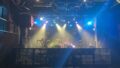
OSAKA MUSE is a historic cornerstone of the Osaka live music scene, having operated since 1987 in the heart of the Shinsaibashi district. This venue is particularly legendary for its association with the Visual-kei movement, though its modern programming spans a wide spectrum of rock and indie genres. The facility occupies two floors, with the 4F serving as the lobby and bar area, while the 5F houses the main performance hall. The hall features a stage width of 7.2 meters and a depth of 4.5 meters, providing a spacious platform for full-band setups. The acoustic design is reinforced by Electro-Voice speakers and a Yamaha CL5 digital mixing console, ensuring a balanced, high-fidelity output that handles heavy distortion and delicate vocals with equal precision. The ceiling height is 3.8 meters, which prevents the acoustic pressure from feeling claustrophobic. Access is exceptionally convenient: it is a 3-minute walk from Exit 6 of Shinsaibashi Station on the Midosuji Line. To find the entrance, look for the specialized elevator in the building located just one block east of the Shinsaibashi-suji Shopping Arcade. It remains a “professional standard” venue where many artists perform just before transitioning to major national tours.
OSAKA MUSE(大阪ミューズ)は、1987年のオープン以来、心斎橋エリアの音楽シーンを支え続けてきた歴史あるライブハウスです。特にヴィジュアル系文化の聖地として伝説的な存在ですが、現在はロック、インディーズ、メタルなど多岐にわたるジャンルの公演が行われています。施設は2フロア構成で、4階がロビーとバーカウンター、5階がメインホールとなっています。ホールのステージ幅は7.2メートル、奥行きは4.5メートルを誇り、大規模な機材セットを組むバンドにも十分な広さを提供します。音響面ではElectro-VoiceのスピーカーシステムとYamaha CL5デジタルミキシングコンソールを採用しており、激しいディストーションサウンドから繊細なボーカルまで、極めて精度の高いサウンドを実現しています。天井高は3.8メートルあり、地下のライブハウスとは異なる開放感のある音響特性が特徴です。アクセスは非常に良好で、大阪メトロ御堂筋線「心斎橋駅」6番出口から徒歩約3分の距離に位置しています。心斎橋筋商店街から1ブロック東に入ったビルの専用エレベーターが入り口となります。多くのアーティストが全国ツアーの主要拠点として選ぶ、大阪を代表する「プロフェッショナル・スタンダード」な会場です。
Visitor Guide
🎫 Drink Fee & Currency: Upon entry, a mandatory drink fee of 600 JPY must be paid in Japanese Yen (cash) at the reception desk on the 4F. While some touring artists may accept international credit cards for merchandise, the venue’s entrance and internal bar operate strictly on a cash-only basis in 2026. Automated Teller Machines (ATMs) are located in the nearby convenience stores along Midosuji Avenue if you need to withdraw cash before entering.
🚭 Smoking Regulations: In strict compliance with the Health Promotion Act, OSAKA MUSE is a strictly non-smoking facility. Smoking is prohibited in the performance hall, lobby, and all common areas of the building. There is no designated smoking room on the premises. Visitors who wish to smoke must use public smoking areas at the street level. Re-entry is generally not permitted once you have entered for a show, so plan accordingly.
📸 Photography Manners: As is standard in Japanese professional venues, photography and video recording during the performance are strictly prohibited. This rule is enforced to protect the artist’s intellectual property and ensure an immersive experience for all attendees. Professional cameras or recording devices are not allowed. Please keep your smartphone in your pocket or bag throughout the set; failure to comply may result in a request to leave the venue.
🎒 Baggage Management: Space inside the 5F hall is limited. The 4F lobby provides 90 small coin lockers (¥300) for personal items. For larger bags or coats, a cloak service is available for ¥500. Since the venue is on the 5th floor, taking large suitcases up the elevator can be difficult during peak entry times. It is highly recommended to use the large-scale lockers at Shinsaibashi Station before arriving.
🎫 ドリンク代と通貨:入場の際、チケット代とは別に600円のドリンク代の支払いが義務付けられています。4階の受付にて日本円(現金)で支払う必要があります。2026年時点でも、会場の入場口およびバーカウンターではクレジットカードや電子マネーは利用できません。現金が必要な場合は、入館前に御堂筋沿いのコンビニエンスストアにあるATMを利用してください。
🚭 禁煙ルール:改正健康増進法を厳格に遵守しており、OSAKA MUSEの館内はホール、ロビーを含め完全禁煙です。建物内に指定喫煙所は設置されていません。喫煙される方は、入館前に地上階の公共喫煙所を利用してください。また、公演中の再入場は原則として認められない場合が多いため、事前の準備が必要です。
📸 撮影マナー:日本のプロフェッショナルな会場の標準ルールとして、演奏中の写真撮影および動画録画は一切禁止されています。これはアーティストの権利を守り、全ての観客がライブに集中できる環境を維持するためです。プロ仕様のカメラや録音機器の持ち込みもできません。演奏中はスマートフォンを鞄やポケットに収めてください。ルールに従わない場合、退場を求められることがあります。
🎒 手荷物の管理:5階ホールのスペースには限りがあります。4階ロビーに90個の小型コインロッカー(300円)が設置されています。ロッカーに入らない大きな荷物やコート類は、500円でクローク預かりを利用できます。会場が5階にあるため、混雑時のエレベーターにスーツケースを持ち込むのは困難です。心斎橋駅の大型ロッカーにあらかじめ預けてから来場することを強く推奨します。
Local’s Choice
1. Shinsaibashi PARCO Begin your afternoon at Shinsaibashi PARCO, a modern 14-story vertical shopping complex that integrates high fashion with Japanese subculture. Visit the 6F, known as the “Pop Culture” floor, which houses official stores for Godzilla, Capcom, and Studio Ghibli. This provides an excellent overview of Japan’s global creative influence. The basement floor “Shinsaibashi Neon Shokudo-gai” also offers a stylized look at modern Osaka food culture with a futuristic, neon-lit aesthetic.
2. Amerikamura (Triangle Park) Walk 5 minutes west to Amerikamura, often referred to as the “Harajuku of Osaka.” Head to the central Sankaku Koen (Triangle Park) to observe local youth culture and street fashion. This area has been the epicenter of Osaka’s indie spirit since the 1970s. Browsing the nearby vintage clothing stores and record shops like King Kong Records will give you a deep understanding of the rebellious, DIY atmosphere that fuels the city’s music scene.
3. OSAKA MUSE (Live Experience) Head to the OSAKA MUSE building for the primary cultural experience. Spend your evening watching a live set, paying close attention to the high-quality Yamaha/Electro-Voice sound projection. This is the ideal environment to see how Japanese audiences engage with artists through synchronized movements (known as “furi” in the Visual-kei scene) and rhythmic clapping, providing a unique sociological insight into Japanese fan culture.
4. Higashi-Shinsaibashi Hidden Bars Conclude the night by exploring the narrow alleys of Higashi-Shinsaibashi, located just east of the venue. Seek out “hideaway” bars like Bar Midian (a heavy metal themed bar) or Music Bar Rock Rock. These establishments are frequented by local musicians and international touring bands. These spots offer a raw, unpolished look at the Osaka subculture, where the conversation focuses on deep musical knowledge and the local underground scene.
1. 心斎橋パルコ 午後のスタートは、地上14階建てのモダンな複合施設心斎橋パルコから始めます。特に6階は「ポップカルチャー」フロアとなっており、ゴジラ、カプコン、スタジオジブリなどの公式ショップが集結しています。ここは日本のクリエイティブが世界に与える影響を概観できる場所です。また、地下の「心斎橋ネオン食堂街」では、近未来的なネオン装飾の中で大阪の食文化を現代的にアレンジした空間を体験できます。
2. アメリカ村(三角公園) 西へ5分ほど歩き、「大阪の原宿」と称されるアメリカ村へ。中心にある三角公園で、地元のユースカルチャーやストリートファッションを観察してください。1970年代から続くこのエリアは、大阪のインディーズ精神の発信地です。付近のヴィンテージ古着店やキングコングレコードなどのレコードショップを巡ることで、この街の音楽シーンを支えるDIY精神や反骨精神を深く理解することができます。
3. OSAKA MUSE(ライブ体験) 本日のメイン体験としてOSAKA MUSEへ向かいます。夕方から夜にかけてライブを鑑賞し、YamahaとElectro-Voiceによる高品質な音響演出を体感してください。ここでは、日本の観客特有の揃った動き(ヴィジュアル系シーンでの「振り」など)やリズムに合わせた拍手など、日本のファン文化がアーティストとどのように共鳴しているかを観察できる貴重な機会となります。
4. 東心斎橋の隠れ家的バー 一日の締めくくりに、会場のすぐ東側に広がる東心斎橋の細い路地を探索します。ヘヴィメタルをテーマにしたBar Midianや、国内外のアーティストが訪れることで知られるMusic Bar Rock Rockなどの「隠れ家」的なバーを探してみてください。これらの場所は地元のミュージシャンやコアな音楽ファンの社交場となっており、大阪のサブカルチャーの生の姿に触れることができるディープなスポットです。
Route MAP
- This map illustrates a walking route starting from the high-tech Shinsaibashi PARCO, moving through the street-culture hub of Amerikamura, reaching the musical core of OSAKA MUSE, and ending in the dense bar district of Higashi-Shinsaibashi.
- The marker for OSAKA MUSE is highlighted in gold to indicate it as the primary destination of this cultural tour.
- The map labels and interface are set to English (US) for optimal navigation for international travelers.
- The route spans approximately 1.2 kilometers, easily covered on foot within the Nishi and Higashi Shinsaibashi sectors.
Google Maps Link: Walking Route for OSAKA MUSE & Shinsaibashi Subculture
The route begins at Shinsaibashi PARCO (Landmark: Midosuji Avenue), crosses into Amerikamura (Landmark: Triangle Park), proceeds to the 5th floor of OSAKA MUSE, and concludes in the backstreets of Higashi-Shinsaibashi (Landmark: Shinsaibashi-筋 2-chome). This sequence represents the transition from mainstream Japanese pop culture to the underground music and bar scenes.
このルートは、ハイテクな心斎橋パルコから始まり、ストリートカルチャーの拠点アメリカ村を経て、音楽的核心であるOSAKA MUSEに到達し、最後は東心斎橋の密集したバーエリアで終わる約1.2kmの行程を示しています。強調表示されたOSAKA MUSEのマーカーは、この文化的ツアーの主要目的地であることを示しています。パルコのメインストリーム文化から、アメリカ村のサブカルチャー、そしてミューズのライブ体験を経て、東心斎橋のディープな夜の社交場へと移り変わる大阪の多層的な魅力を体験できます。